There are different types of leadership styles that exist in work environments and advantages and disadvantages exist in each leadership style. Some companies offer the same leadership style while others follow different leadership styles depending upon what task to perform. The goals are the ones that determine which type of leadership suits for them.
1) AUTOCRATIC
The style of leadership is characterized by the individual control of the leader's overall decisions and a small contribution of the group members. Autocratic leaders usually make decisions based on their ideas and judgments and rarely accept the advice of the rest. Autocratic leaders could be useful in the following situations: small groups with lack of leadership, situations where you are under a lot of pressure, and on repetitive tasks.
2) DEMOCRATIC
This leadership encourages community participation, letting employees decide more about their functions and have sufficient powers to make decisions. Personnel can express their opinions and aren’t limited to receive orders. Two key aspects of democratic leadership are communication and empowerment.
3) EMPOWERMENT
Processes were people who strengthen their abilities and confidence. These qualities will be gained when the person receives the opportunity to solve problems of the organization, after that feedback must be given to consolidating the knowledge. Empowerment promotes psychological well-being in individuals. Three factors of empowerment are knowledge, skills, and self-efficacy.
4) LAISSEZ-FAIRE
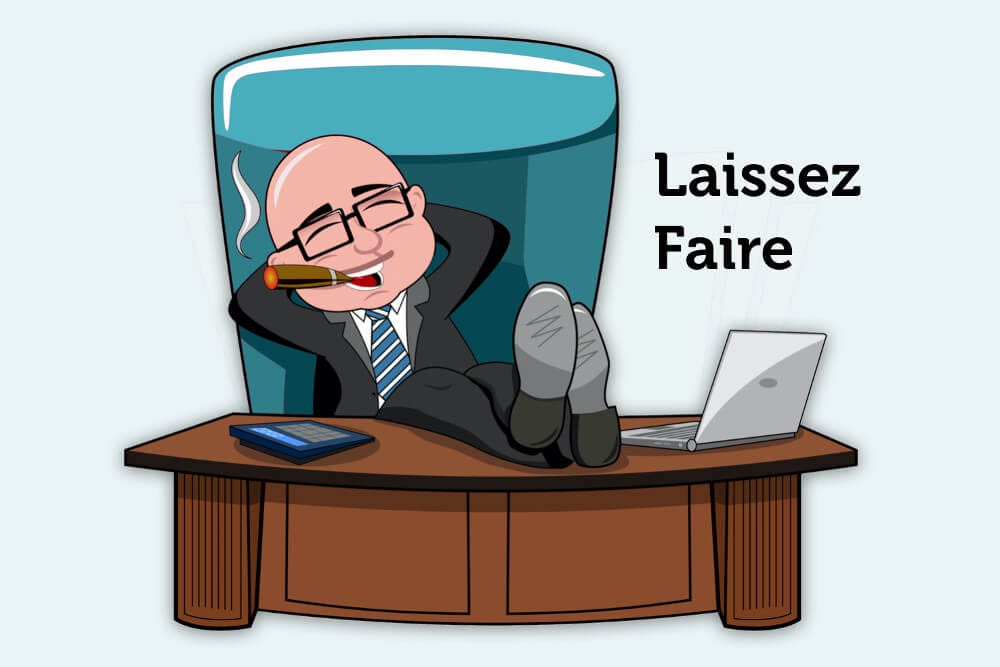
French expression that refers to “let it happen, let it be.” This refers to the total omission of the manager in giving orders, letting others take actions. This usually happens when the strategic directors don’t have a deeper understanding of the business. Generally, this leadership conducts to low profitability and productivity levels.


1) AUTOCRATIC
The style of leadership is characterized by the individual control of the leader's overall decisions and a small contribution of the group members. Autocratic leaders usually make decisions based on their ideas and judgments and rarely accept the advice of the rest. Autocratic leaders could be useful in the following situations: small groups with lack of leadership, situations where you are under a lot of pressure, and on repetitive tasks.
2) DEMOCRATIC
This leadership encourages community participation, letting employees decide more about their functions and have sufficient powers to make decisions. Personnel can express their opinions and aren’t limited to receive orders. Two key aspects of democratic leadership are communication and empowerment.
3) EMPOWERMENT
Processes were people who strengthen their abilities and confidence. These qualities will be gained when the person receives the opportunity to solve problems of the organization, after that feedback must be given to consolidating the knowledge. Empowerment promotes psychological well-being in individuals. Three factors of empowerment are knowledge, skills, and self-efficacy.
4) LAISSEZ-FAIRE
French expression that refers to “let it happen, let it be.” This refers to the total omission of the manager in giving orders, letting others take actions. This usually happens when the strategic directors don’t have a deeper understanding of the business. Generally, this leadership conducts to low profitability and productivity levels.
Comentarios
Publicar un comentario